

Articles
How What You Eat Affects Your Hormones and Mood
There are days when your body feels heavy, your energy is low, and your mood shifts without warning. Many women experience this and often assume it is just part of life. But what if your body is trying to communicate something deeper? What if the food you eat plays a bigger role than you think?
Food is not just about satisfying hunger. It is information for your body. Every meal you eat sends signals that influence your hormones, your energy levels, and even your emotions. When you consistently nourish your body with whole, balanced meals, you begin to feel the difference—not just physically, but mentally and emotionally.
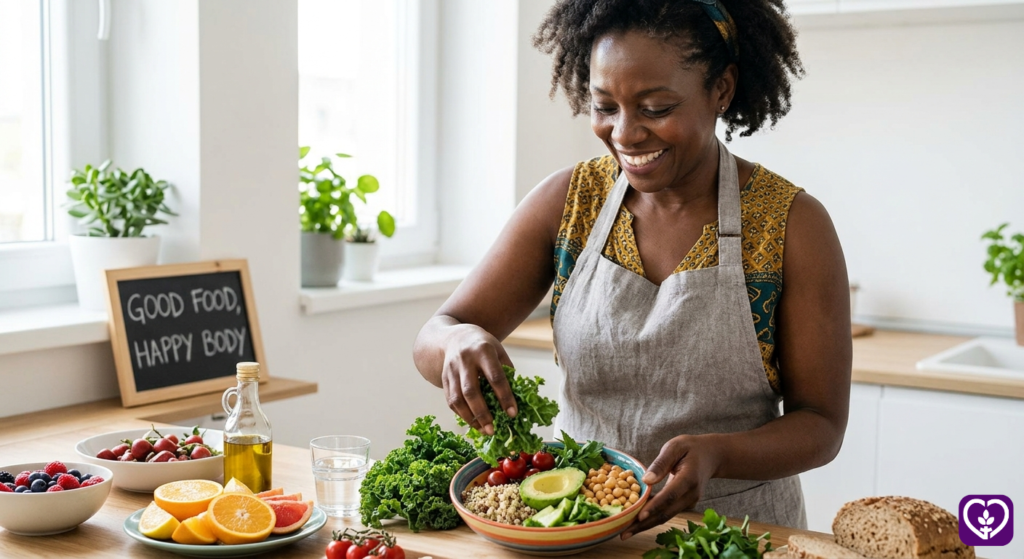
For women, this is especially important. Hormonal balance is closely tied to nutrition. Diets high in processed sugars, unhealthy fats, and refined foods can contribute to inflammation, fatigue, and worsening menstrual symptoms. On the other hand, foods rich in nutrients—like vegetables, fruits, whole grains, and healthy fats—support your body’s natural processes.
This does not mean you need to eat perfectly. It simply means becoming more intentional. Start small. Add more nourishing foods to your meals instead of focusing on restriction. Drink more water. Include iron-rich foods, especially if you experience heavy periods. Pay attention to how your body responds to what you eat.
Beyond the physical benefits, there is also a deeper perspective. Taking care of your body is an act of value. It is a reminder that you deserve to feel good, to function well, and to live fully. Nourishing yourself is not selfish—it is necessary.
A happy body is not created overnight. It is built through consistent, mindful choices. The goal is not perfection, but awareness. The more you listen to your body and respond with care, the more you will begin to experience balance.
Your body is always speaking. The question is—are you listening?